HVAC Service & Repair in Washington
Independent HVAC professionals across Washington’s mixed cooling and heating demand. Emergency AC repair, furnace service, and heat pump installation available 24/7.
 By Gyanesh Gulshan — Founder, Cool Call Pro
HVAC across Washington
Washington is home to over 8.2 million residents with a 63.5% homeownership rate. The state spans IECC Zones 4B, 4C, 5B, and 6B, with summer highs averaging 73°F and winter lows near 27°F.
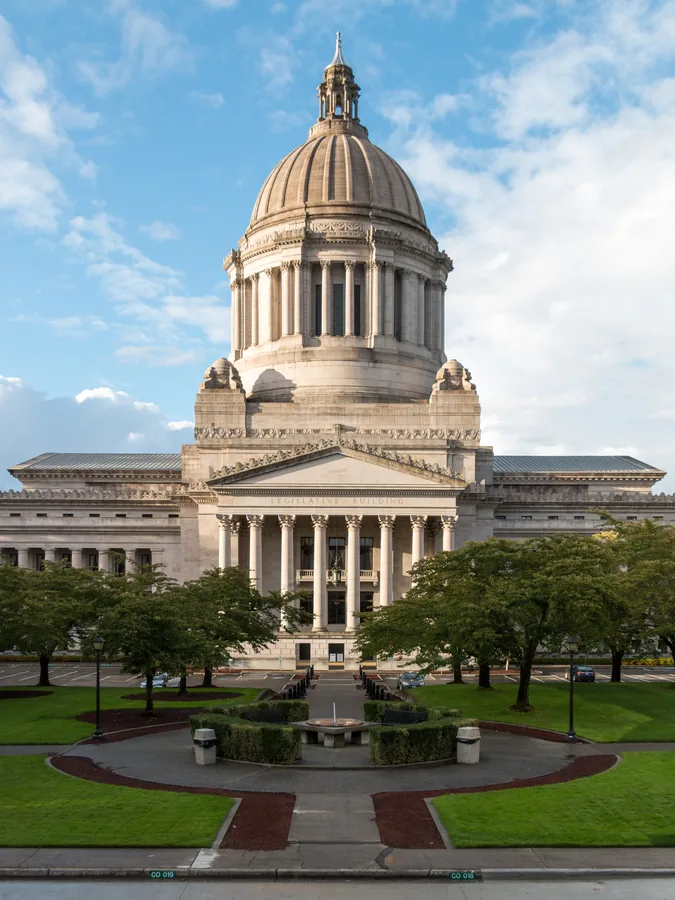
Washington climate, efficiency code & cost estimates
mixed cooling and heating demand
Washington spans IECC 4B, 4C, 5B, 6B. Summer highs avg 73°F, winter lows near 27°F. Average electricity 14.12¢/kWh — system efficiency directly drives monthly costs. Learn more about heat pump options.
North region: SEER2 13.4 minimum
As of January 2023, all new central AC systems in Washington must meet SEER2 13.4. Higher-efficiency systems cost more upfront but reduce monthly bills. See our summer AC guide.
Washington HVAC installation costs
Cool Call Pro’s editorial estimate for a standard central AC replacement in Washington is $4,000–$8,000, and for a furnace installation $3,200–$7,000. These are our own estimates, not quotes or survey data — see how we build cost ranges. Costs vary by city, system size, efficiency rating, and installation complexity. See our full HVAC cost guide.
FEMA-tracked exposure
Per FEMA's National Risk Index, Washington faces elevated Wildfire, Earthquake, and Winter Storm exposure. Each event stresses HVAC systems — schedule a technician inspection after major weather before restart.
What Washington HVAC contractors do — and what to verify
Services you can ask about
- Emergency AC & Furnace Repair in Washington
- Central Air Conditioning Installation & Replacement
- Heat Pump Installation & Service
- Furnace Installation & Replacement
- HVAC System Maintenance & Tune-Ups
- Ductwork Inspection, Cleaning & Sealing
- Indoor Air Quality & Ventilation Solutions
Verify before you hire
Washington requires HVAC contractors to hold a license issued by the Dept. of Labor & Industries (L&I) — Specialty Contractor Registration. Before hiring, verify your contractor's credentials through the board's license lookup tool. Also ask for proof of insurance and confirm who will pull the permit. See our safety tips for more on what to verify before hiring.
Washington utility rebates & state programs
Major utility providers in Washington include Puget Sound Energy, Avista Utilities, Seattle City Light. Available rebate programs are listed below. Always confirm current amounts with the provider before scheduling work.
Through your local provider
Rebate programs to check include Puget Sound Energy Rebates, Avista Rebates, BPA EE. Programs change — verify current amounts and eligibility before scheduling work.
Washington State Department of Commerce Energy Division
Check the Washington State Department of Commerce Energy Division for state-run energy programs and current energy-efficiency incentives in Washington.
IRA-funded state rebate pool
Washington was allocated $166,048,630 for federally-funded Home Energy Rebates (the HOMES and High-Efficiency Electric Home Rebate (HEEHR) programs combined) under the Inflation Reduction Act, per DOE’s published state allocations. Check with the state energy office for current program status. Under DOE Program Notice 26-2 (effective May 29, 2026), HEEHR rebates no longer cover replacing gas or other non-electric equipment; they cover upgrades from existing electric equipment to more efficient electric equipment.
The federal Section 25C Energy Efficient Home Improvement Credit was terminated for installations placed in service after Dec 31, 2025 by the One Big Beautiful Bill Act (Public Law 119-21). Check your state energy office and utility for current rebate programs. See our HVAC financing options for what's still available.
Ready to talk to a Washington HVAC pro?
Independent technicians · 24/7 call line · Verify any contractor’s license with the Washington license lookup
Call Now — (844) 582-1795Disclosure: We are a referral service and may receive compensation for qualified calls. Calls may be routed to an independent provider network and may be recorded. Pricing and availability vary by provider and location.
Common HVAC issues in Washington
Washington has both cooling and heating demand. HVAC troubleshooting guides for a mixed-demand climate:
- Complete AC troubleshooting guide — diagnosis for every AC failure mode
- Furnace not igniting? — ignition failure diagnosis and repair costs
- Heat pump not working? — year-round heat-pump performance and repairs
- AC circuit breaker keeps tripping — electrical fault in the outdoor unit
- 12-month HVAC maintenance checklist — seasonal tune-ups for both cooling and heating
- 2026 HVAC cost guide — diagnostic, repair, and replacement pricing
HVAC service areas across Washington
Cool Call Pro connects homeowners with independent HVAC professionals across Washington. Browse city pages for local costs, permit offices, and licensing details.
Washington HVAC — common questions
Washington requires HVAC contractors to hold a license issued by the Dept. of Labor & Industries (L&I) — Specialty Contractor Registration. You can verify any contractor's credentials through the board's online license lookup.
Washington is in the North SEER2 region, requiring a minimum SEER2 13.4 for all new central AC systems as of January 2023.
Cool Call Pro’s editorial estimate for a standard central AC replacement in Washington is $4,000–$8,000, and for a furnace installation $3,200–$7,000. These are our own estimates, not quotes or survey data — see how we build cost ranges. Costs vary by city, system size, efficiency rating, and installation complexity. All new AC units must meet a minimum SEER2 13.4 rating.
Check with your local utility provider for current energy efficiency rebates on qualifying high-efficiency equipment. The federal Section 25C tax credit was terminated for installations placed in service after Dec 31, 2025 by the One Big Beautiful Bill Act (Public Law 119-21). Check your state energy office and utility for current rebate programs.
Homes in Washington use a mix of heating and cooling systems, including Heat Pump setups. The right choice for a home depends on its ductwork, fuel access, climate zone, and local energy prices. Compare options in our heat pump options guide.
Work such as central AC replacement, furnace installation, refrigerant-line modifications, and duct changes may need a mechanical or building permit from the local city or county building department. Permit fees, inspection requirements, and submittal rules vary by municipality — ask your installer who will pull the permit and confirm the requirements for your address before work begins. The installer should hold a state license issued by the Dept. of Labor & Industries (L&I) — Specialty Contractor Registration.