Carbon Monoxide: The Invisible Killer in Your Home
A cracked heat exchanger can leak lethal CO. Learn the symptoms, detector placement, and exactly what to do when your alarm goes off.
Protecting your family starts with knowing what to do — and what never to do — with your HVAC system.
Jump to a safety topic ↓
HVAC systems are among the most powerful and potentially dangerous appliances in your home. A modern central air system runs on 240-volt circuits — the same voltage that powers electric stoves. Gas furnaces manage combustible fuel that, if mishandled, can ignite explosively. And carbon monoxide, a byproduct of any fossil-fuel combustion, kills more than 400 Americans every year in unintentional poisonings not linked to fires, according to the CDC — and you cannot see, smell, or taste it.
This guide covers six scenarios where knowing the right action — or inaction — can be the difference between a manageable situation and a fatal one. Bookmark it, share it with your household, and use the annual checklist to prevent emergencies before they start.
We'll connect you with a provider who can assist. In case of gas, fire, or CO danger — call 911 first.
Call Now — (844) 582-1795Disclosure: This website is a referral and information service. We may connect you with independent HVAC providers. If you call, we may receive compensation. Calls may be routed to an independent provider network and may be recorded. We do not provide HVAC services directly.
HVAC systems involve high voltages (240V+), combustible gases, and toxic refrigerants. Never attempt to repair, open, or modify your HVAC system yourself. Leave all repair work to a qualified HVAC technician, and verify their state license before work begins. Always call 911 first for gas leaks, fires, or CO poisoning.
That rotten-egg smell is added to natural gas on purpose so you can notice a leak. Gas utility safety guidance warns that electrical devices, including phones, can spark and ignite the gas — which is why your only job is to get everyone out immediately. Not sure whether you are dealing with gas or carbon monoxide? Read Gas Leak vs CO Leak: Telling Them Apart.
Carbon monoxide is colorless, odorless, and tasteless — your senses cannot detect it. The CDC reports that more than 400 Americans die each year from unintentional CO poisoning not linked to fires. Symptoms are often described as flu-like, which is why working CO alarms matter.
When AC fails during a heat wave, the house can heat up quickly. Treat a summer AC failure as a health risk, especially for older adults and young children, and call 911 for anyone showing signs of heat stroke.
A furnace failure in freezing weather is dangerous for older adults, infants, and pets, and it puts your pipes at risk. The American Red Cross advises keeping the thermostat at the same setting day and night in cold weather and, if you will be away, leaving the heat on at no lower than 55°F. Improvised heat sources such as gas ovens, grills, and generators create carbon monoxide and fire risks. If your heat has failed and freezing weather is forecast, call for service right away.
HVAC systems run at 240 volts or higher — contact with an energized component can cause cardiac arrest. Refrigerant lines are pressurized and exposure to refrigerant liquid causes frostbite and can damage lungs. The tasks below are safe for homeowners; treat everything else as a job for a qualified HVAC technician (verify their state license before work begins).
The NFPA describes heating equipment as a leading cause of home fire deaths. Professional maintenance plus a few simple homeowner checks helps you catch problems early.
Quick answers to the most common HVAC safety questions.
The safety guidelines on this page are drawn from official government and standards organizations.
We'll connect you with a provider who can assist in many areas. Learn more about HVAC repair costs →
Call Now — (844) 582-1795Go deeper on the HVAC safety topics that matter most to homeowners.
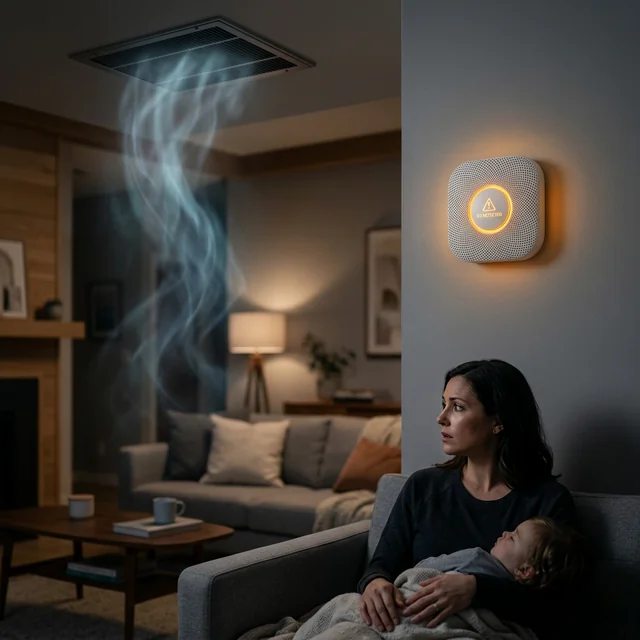 🔥 Safety
A cracked heat exchanger can leak lethal CO. Learn the symptoms, detector placement, and exactly what to do when your alarm goes off.
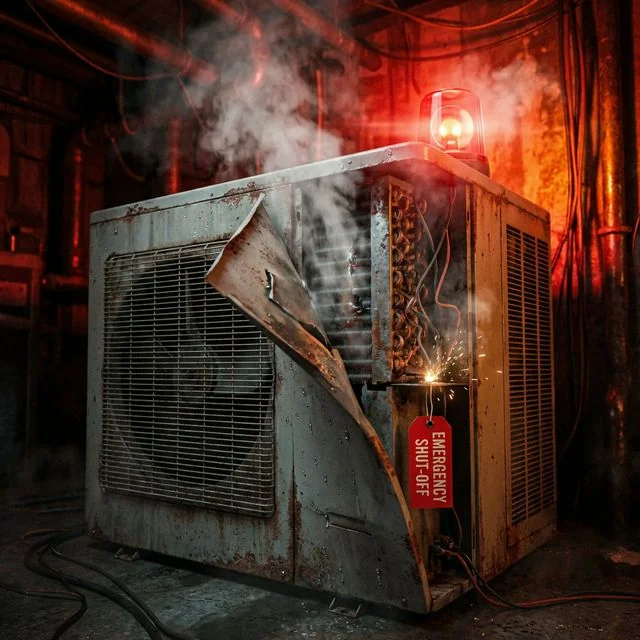 🚨 Emergency
Strange noises, burning smells, or weak airflow can escalate into dangerous emergencies. Know the signs before it's too late.
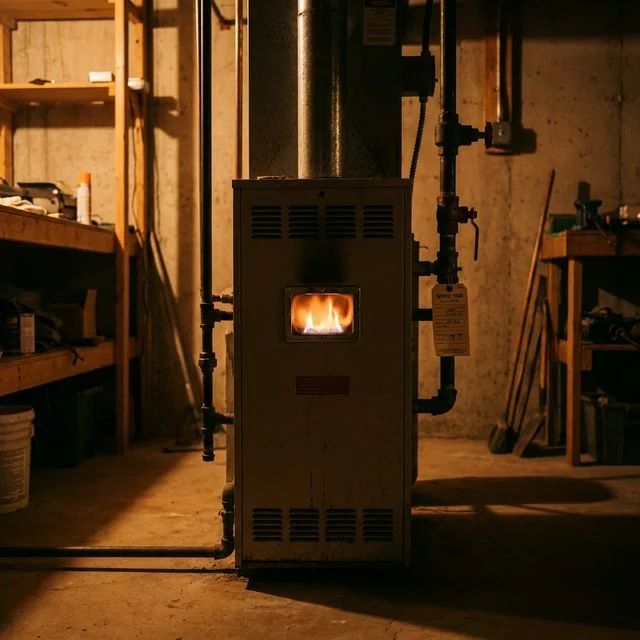 🔥 Safety
From faulty igniters to dangerous gas valve failures — what causes furnace ignition failure and when to call for help.
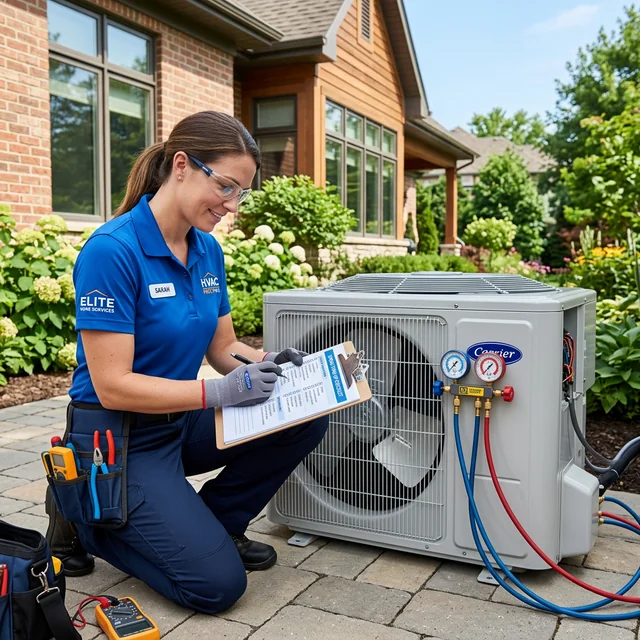 🔧 Maintenance
Simple monthly and seasonal tasks that help prevent many avoidable emergency breakdowns — and the safety checks every homeowner should do annually.