Repair or Replace? The Framework for Every HVAC Decision
The 5-question framework — age math, repair cost thresholds, and system-type modifiers — for deciding what a quote is worth.
Repairs in this guide range from $75 for a condensate-drain or flame-sensor job to $3,500 for a compressor replacement, and up to $4,000 for a furnace heat exchanger. Diagnostic fees run $65–$150, and a full AC-and-furnace replacement runs $5,800–$12,000. Use this guide to understand what drives your quote before the technician arrives.
Advertising Disclosure: This site may receive compensation for service connections made through this page. Content is editorially independent.
Connect with an independent HVAC provider for an estimate. View emergency guidance →
Disclosure: We are a referral service and may receive compensation for qualified calls. Calls may be routed to an independent provider network and may be recorded. Pricing and availability vary by provider and location.
The ranges below are Cool Call Pro editorial estimates of typical U.S. prices, not quotes. Prices vary by region, system age, brand, and urgency. Always get 2–3 written quotes for major work. How these ranges are built
Ranges are editorial estimates of typical U.S. prices, not quotes or survey averages. Actual quotes vary by location, system brand, and labor rates. See regional differences →
Common air conditioning repair costs in 2026. Prices include parts and labor unless noted. AC emergency? See what to do first →
Cost varies primarily by system brand, regional labor rates, refrigerant type, and part availability.
| Issue / Repair | Low Cost | High Cost | Urgency |
|---|---|---|---|
| Refrigerant Recharge (R-410A) | $150 | $600 | HIGH |
| Capacitor Replacement | $150 | $400 | HIGH |
| Contactor Replacement | $100 | $300 | MEDIUM |
| Evaporator Coil Replacement | $600 | $2,000 | HIGH |
| Condenser Coil Replacement | $900 | $2,800 | HIGH |
| Compressor Replacement | $1,200 | $3,500 | HIGH |
| Blower Motor Replacement | $300 | $1,000 | MEDIUM |
| Thermostat Replacement (Smart) | $150 | $500 | LOW |
| Drain Pan / Condensate Line | $75 | $250 | MEDIUM |
Get connected with a technician in your ZIP code.
Call Now — (844) 582-1795Disclosure: We are a referral service and may receive compensation for qualified calls. Calls may be routed to an independent provider network and may be recorded. Pricing and availability vary by provider and location.
Heating repair pricing for gas and electric furnaces, 2026. No heat in winter? See immediate steps →
Heat exchanger repairs are the most expensive furnace job in the table below; at the high end they approach the price of a new gas furnace ($2,500–$6,500). See the repair vs. replace rule below.
| Issue / Repair | Low Cost | High Cost | Urgency |
|---|---|---|---|
| Igniter Replacement | $100 | $300 | HIGH |
| Heat Exchanger Repair | $600 | $4,000 | 🚨 CRITICAL |
| Gas Valve Replacement | $200 | $600 | HIGH |
| Draft Inducer Motor | $200 | $700 | HIGH |
| Control Board Replacement | $300 | $900 | MEDIUM |
| Flame Sensor Cleaning/Replace | $75 | $250 | MEDIUM |
| Furnace Blower Motor | $300 | $1,000 | MEDIUM |
Get connected with a technician in your ZIP code.
Call Now — (844) 582-1795Disclosure: We are a referral service and may receive compensation for qualified calls. Calls may be routed to an independent provider network and may be recorded. Pricing and availability vary by provider and location.
When repair isn't worth it — what a new system actually costs installed. Find HVAC installers near you →
Installed cost includes equipment, labor, and standard setup. Complex retrofits or duct modifications add $500–$2,000+.
| System Type | Low Cost | High Cost | Notes |
|---|---|---|---|
| Central AC Only (3 ton) | $3,200 | $7,000 | Labor + equipment + basic installation. |
| Gas Furnace Only (80K BTU) | $2,500 | $6,500 | High-efficiency models cost more upfront, save over time. |
| AC + Furnace Bundle (Split) | $5,800 | $12,000 | Best value when both units are old. |
| Heat Pump System (ducted, 2–3 ton, standard efficiency) | $7,600 | $9,500 | Heating and cooling in one system. Range from the NREL/LBNL installed-cost model (2022 dollars). Cold-climate and high-efficiency systems cost more. |
| Mini-Split (Ductless, 1 zone) | $1,800 | $5,000 | No ductwork needed. Great for additions/garages. |
How these compare with published research: the NREL/LBNL study “Heat pumps for all?” (Joule, 2024) models installed costs in 2022 dollars. Its cost equation puts a standard-efficiency ducted heat pump (SEER 15, HSPF 9) at about $7,600 for 2 tons and $9,500 for 3 tons, the basis of the heat-pump row above, and it uses a median of about $6,345 for a 3-ton central air conditioner. Its high-efficiency cold-climate heat pump scenario averaged about $22,400 for ducted equipment.
Service life: DOE’s federal purchasing guidance assumes an average life of 18 to 25 years for a central air conditioner depending on region, 15 years for an air-source heat pump, and 21 years for a furnace. These are modelling assumptions, not guarantees; see the FAQ below.
What a diagnostic visit, a seasonal tune-up, and after-hours service typically cost. Facing an HVAC emergency now? →
After-hours and holiday surcharges are added to the base repair cost — they do not replace it.
| Service Type | Typical Cost | Notes |
|---|---|---|
| After-Hours Emergency Call (nights/weekends) | $100–$300 extra | Added on top of repair cost. Varies by company and region. |
| Diagnostic / Service Call Fee | $65–$150 | Some providers credit it toward the repair if you book it with them. Ask when you call. |
| Holiday Emergency Premium | $100–$300 extra | Some providers charge a holiday rate. Confirm the fee when you call. |
| Annual Maintenance Contract | $150–$350/yr | Plan terms vary. Ask how many tune-ups are included, what priority scheduling means, and whether repairs are discounted. |
| Seasonal Tune-Up (one visit) | $80–$200 | Preventive check of a working system. See the FAQ below. |
A rule of thumb, not an industry standard
Multiply the age of your system by the cost of the repair.
For guidance on whether to repair or replace, browse our HVAC articles or call (844) 582-1795.
Not all HVAC quotes are equal. Several factors can push a repair bill from the low end to the high end of any range on this page:
If you're unsure whether a quote is fair, get a second opinion. Read our HVAC safety tips to avoid rushed decisions in an emergency.
A fair quote is itemized. If a technician gives you one lump-sum number, ask for the lines before you approve anything. These are the lines to expect, checked against the ranges on this page.
$65–$150; some providers credit it toward the repair if you approve it. Nights, weekends, and holidays add $100–$300 (see emergency fees).
Each part should be named and priced, with labor shown on its own line. Compare the total against the AC and furnace repair ranges above. If a line can’t be explained, ask again before you sign.
An R-410A recharge runs $150–$600. A quote that adds refrigerant should also say how the leak was found and whether it will be repaired. Refrigerant work requires an EPA Section 608-certified technician.
Ask about the permit and inspection, haul-away of old equipment, recovery of the old refrigerant (EPA rules prohibit venting it), duct or line-set changes, pad or bracket, electrical work, thermostat, and who registers the warranty. Then ask for one out-the-door price.
These four patterns are worth pausing on before you pay.
Coil replacement runs $600–$2,000 for an evaporator coil and $900–$2,800 for a condenser coil. Ask how the leak was located and to see the result before you approve it.
If a system needs refrigerant, the charge went somewhere. Adding refrigerant without fixing the leak means paying for the same visit again.
A compressor diagnosis should come with the electrical and pressure readings the technician took. Ask to see them before a $1,200–$3,500 decision.
Very low advertised call fees can come with trip fees or minimum charges once the technician arrives. Confirm the full fee on the phone before booking.
If a quote shows any of these, a second quote is cheap insurance. Call (844) 582-1795 to reach an independent technician, or work through our repair-or-replace framework first.
Where you live affects what you pay, because labor rates, demand, and local permit rules differ from market to market. This guide does not apply regional percentage adjustments, because we have no dataset that measures them. What you can do instead:
The price ranges on this page are typical U.S. ranges, not adjusted for your city. Browse our location pages to find service information near you.
📚 Sources for the cited facts on this page
These support the heat-pump and central-AC cost comparison, service-life, refrigerant, maintenance-timing, and insurance statements above. They do not publish the repair price ranges, which are our editorial estimates.
Connect with an independent HVAC technician for a no-obligation second opinion before you commit. Find HVAC service near you →
Call Now — (844) 582-1795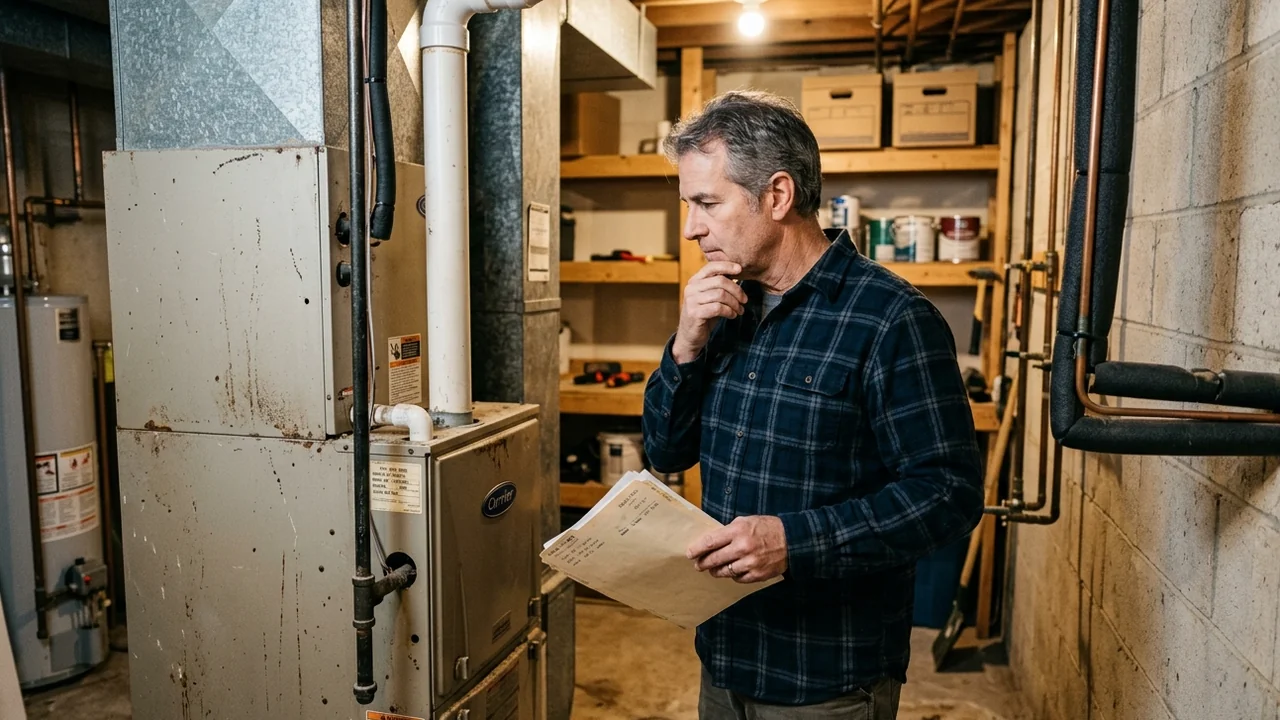 ⚖️ Decision
The 5-question framework — age math, repair cost thresholds, and system-type modifiers — for deciding what a quote is worth.
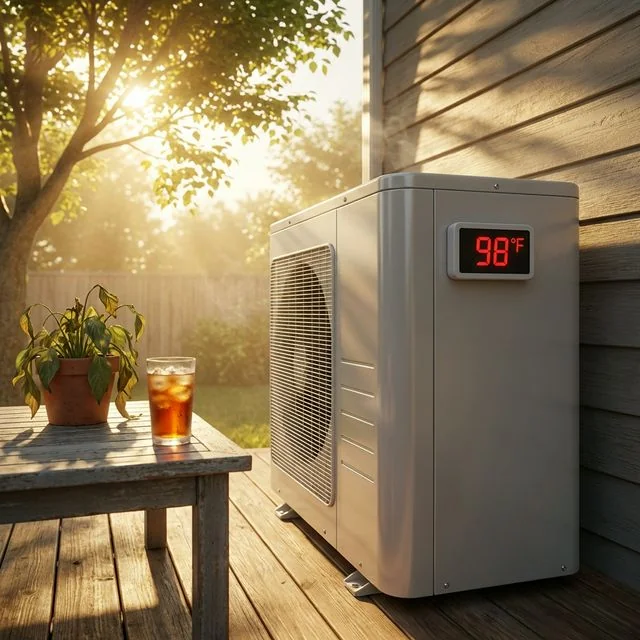 💰 Costs
Real repair cost breakdown and immediate safety steps when your AC fails during extreme summer heat.
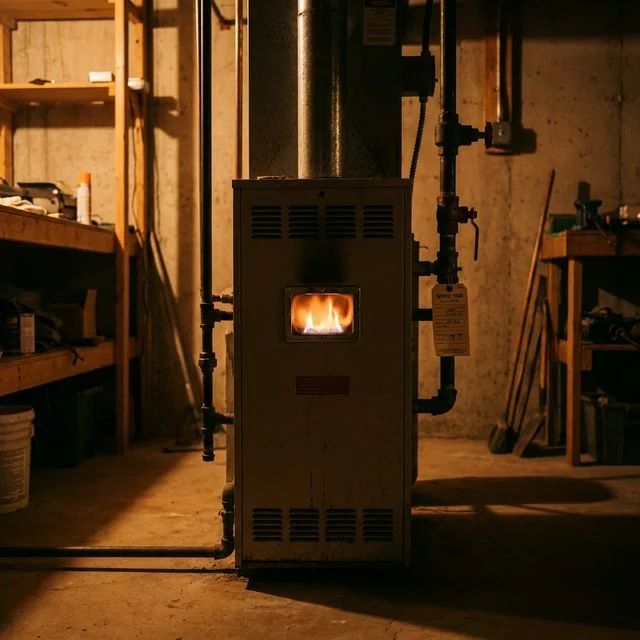 🔥 Safety
From faulty igniters to dangerous gas valve failures — what causes furnace ignition failure and when to call for help.
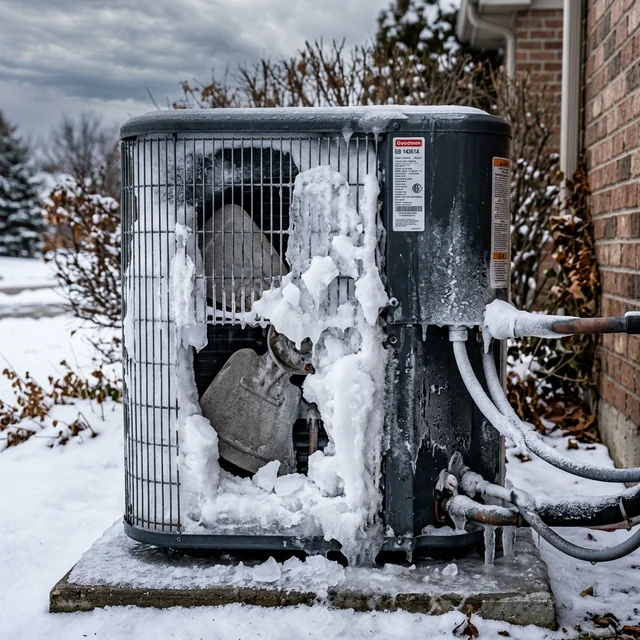 🚨 Emergency
What refrigerant leaks really mean, why topping off doesn't work, and what to do when your AC freezes.
 🚨 Emergency
Learn the critical warning signs that demand immediate professional attention before your system fails completely.
Tap a question to expand.